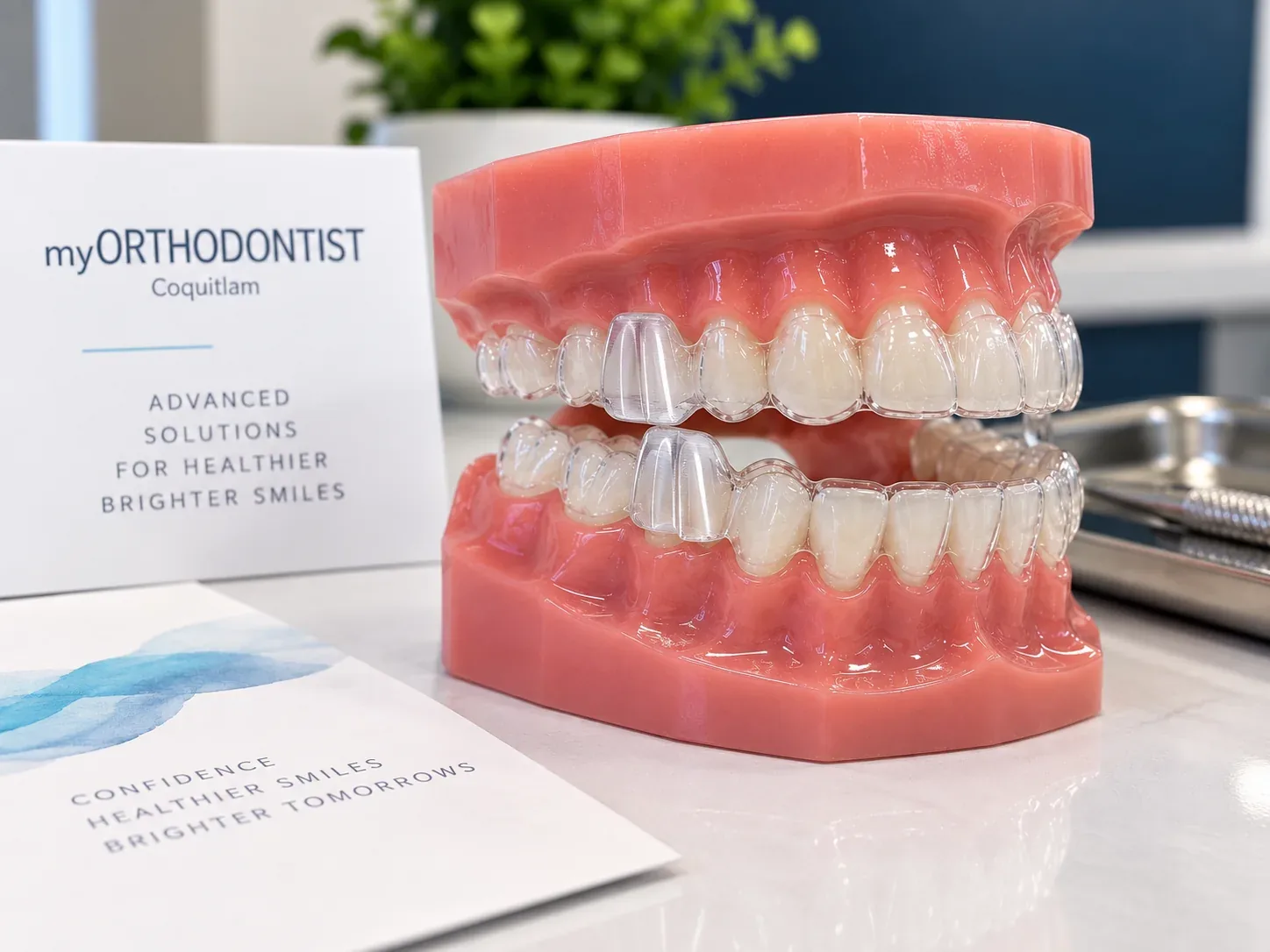
Invisalign Teen adds wear-indicator dots that fade with genuine use, eruption tabs for molars still arriving, and replacement aligners for the ones that meet the cafeteria bin. None of that changes the rule: trays work only when worn, 20–22 hours a day, for the whole treatment. The decision is about your teenager's habits, not the product.
Teens who do well
Organised. Motivated by appearance enough to make the trade. Already good at routines — homework, sport, instruments. Older teens generally more than younger. Teens who chose aligners rather than had them chosen for them.
Teens for whom braces are the kinder choice
Anyone whose parent is already sighing at the question. Grazers and all-day sippers. Kids who lose things. Younger teens with a lot of eruption still to come. This isn't a judgement — braces work 24 hours a day regardless of willpower, and for many teenagers that's the more respectful design.
How we run the conversation
With the teenager in the room, asking them directly, and showing them the digital simulation of their own result — the moment motivation often becomes real. If the honest answer is braces, we'll say so even when the family was hoping otherwise. Ceramic brackets and colour choices give image-conscious teens a middle path.
Settle these before choosing aligners for a teen
- Teen says yes — unprompted, in the room
- Realistic plan for school lunches, sport, snacking
- Refinements and retainers included in the fee
- What happens if wear falls short (switch plan?)
- Timeline mapped against grad photos and exams
The broader teen decision — timing, involvement, life around treatment — is on the teen orthodontics page.
How the indicators actually get used
The blue dots on Invisalign Teen trays fade with saliva exposure, so a tray worn twenty-two hours a day fades on schedule and one worn twelve doesn't. At each visit we look. It isn't surveillance — it's a way of making the wear-time conversation factual rather than accusatory, and most teens prefer that. When the dots say hours are short, we talk to the teenager about what's getting in the way before we talk about consequences. When they stay short, we'll suggest switching to braces while the case can still be finished well, and we'll frame it as the design fitting the person, not the person failing.
When the jaw needs to move too
For a growing teen with a large overjet, we often recommend Invisalign with mandibular advancement: the same trays, with wings that posture the lower jaw forward as growth continues. It turns what used to be a two-stage treatment into one, in the appliance the teenager already chose.
What the parent's job is
Less than you'd think. Buy the case and insist it lives in a pocket. Notice the lunch-hour and after-school hours, which are where trays go missing. Keep the appointment rhythm. Beyond that, treatment belongs to the teenager, and the ones who own it do beautifully. The broader teen conversation — timing, involvement, life around treatment — is on the teen orthodontics page.
Teen aligner questions
At what age can a teen start Invisalign?
Once most adult teeth are in — Invisalign Teen's eruption tabs handle late molars. Typically twelve and up.
What if my teen loses an aligner?
Invisalign Teen includes replacements; call us and wear the previous tray meanwhile.
How do I know if my teen is wearing them?
The blue indicator dots fade with wear; we check at each visit and talk to your teen, not about them.
Can we switch to braces if it isn't working?
Yes, and sooner is better than a stalled case.
Related reading
- Teen orthodontics — the broader decision
- Invisalign or braces — how we decide
- Invisalign cost — what's included
The bottom line
Ask your teenager, in the room, whether they'll wear trays twenty-two hours a day for a year. Believe their answer. If it's yes, Invisalign Teen is a fine choice with wear indicators to keep the conversation factual. If it's no or uncertain, braces are the kinder design and the better result. Either way, the fee should include refinements and retainers, and the plan should be timed around grad photos.
If it were our own teenager
We'd ask them, not decide for them, and believe the answer. A yes would get Invisalign Teen and a case that lived in a pocket. A shrug would get braces and colours, and everyone would be happier for it.